How to Build a Resilient Healthcare Workforce: A Talent Strategy for Uncertain Times
Mar 23, 2026
In the high-stakes world of healthcare, where patient lives hang in the balance, workforce disruptions can cascade into crises. The COVID-19 pandemic exposed stark vulnerabilities—nurse burnout rates soared past 60%, hospitals faced chronic understaffing, and turnover churned at 20-30% annually. Fast-forward to 2026, and challenges persist: aging populations demand more care, gig workers fill 15% of roles in India and the US, and regulatory pressures like HIPAA and India's DPDP Act tighten compliance. Building a resilient healthcare workforce isn't optional; it's survival. This talent strategy outlines proven steps to create a flexible, reliable team that bends but doesn't break.
Understand the Anatomy of Resilience
Resilience starts with recognizing healthcare's unique pressures. Frontline workers face emotional exhaustion, shift work fatigue, and skill gaps amid rapid tech adoption like telemedicine and AI diagnostics. Traditional hiring falls short—rigid full-time models can't scale for seasonal flu surges or rural clinic needs. Data from McKinsey shows resilient organizations pivot 2.5x faster during disruptions by blending permanent staff with on-demand talent.
The key? Shift from reactive patching to proactive architecture. Assess your current workforce through metrics like fill rates (aim for 95%+), retention (target 85%), and diversity (reflect patient demographics). Tools like skills inventories reveal gaps—e.g., only 40% of Indian nurses are digitally proficient. This baseline informs a strategy that layers retention, upskilling, and agile hiring.
Step 1: Prioritize Retention Through Well-Being and Flexibility
Loyalty anchors resilience. High turnover costs hospitals $8,000-$10,000 per nurse lost, per NSI Nursing Solutions. Combat this with holistic support: implement mental health days, peer mentoring, and flexible scheduling via apps that let staff swap shifts seamlessly.
Incorporate gig-economy tactics—40% of healthcare roles in India now go to freelancers for locum tenens or night coverage. Platforms enable "just-in-time" staffing, reducing overtime by 25%. Pair this with recognition programs; Gallup data links personalized rewards to 21% higher profitability. Result? A core team stays, buffered by a scalable flex pool.
Step 2: Automate Onboarding for Speed and Compliance
Speed kills delays. Traditional onboarding takes 4-6 weeks, but high-volume hiring demands days. Enter AI-driven verification: automate background checks, credential validation, and compliance screening to slash time by 70%.
For healthcare, where fraud risks patient safety, integrate real-time checks for licenses, criminal records, and sanctions lists. Gigin Health excels here, verifying agents in under 48 hours with 99% accuracy, ensuring HIPAA/DPDP compliance. This builds a vetted talent pipeline ready for spikes—like India's post-monsoon disease surges or US flu seasons.
Step 3: Upskill for Future-Proof Adaptability
Resilience thrives on versatility. With AI reshaping diagnostics and wearables monitoring vitals, invest in continuous learning. Micro-credentials in telehealth or EHR systems boost competence; LinkedIn reports upskilled workers are 35% more engaged.
Partner with platforms offering bite-sized modules—nurses mastering AI triage in weeks. Track ROI: organizations like Cleveland Clinic cut error rates 15% via targeted training. For gig workers, pre-onboard certifications ensure plug-and-play readiness.
Step 4: Leverage Data and Tech for Predictive Talent Management
Blind hiring is passé. Use analytics to forecast needs—predict shortages 3-6 months out via patient volume trends and attrition models. AI platforms simulate scenarios: "What if 20% of ICU staff call out?"
Integrate with ERP systems for seamless rostering. Gigin Health's dashboard, for instance, matches verified talent to shifts in real-time, optimizing costs by 30%. This data-driven approach turns workforce planning from guesswork to precision.
Step 5: Foster a Culture of Inclusion and Agility
Resilience is cultural. Diverse teams outperform by 35%, per Deloitte, yet healthcare lags. Recruit from underrepresented pools—rural talent, gig nurses, and allied health pros. Build agility with cross-training: phlebotomists handling basic triage.
Regular pulse surveys gauge morale; act on feedback to preempt burnout. Celebrate wins, like zero-fraud hiring streaks, to embed resilience as a shared value.
Measuring Success and Scaling Up
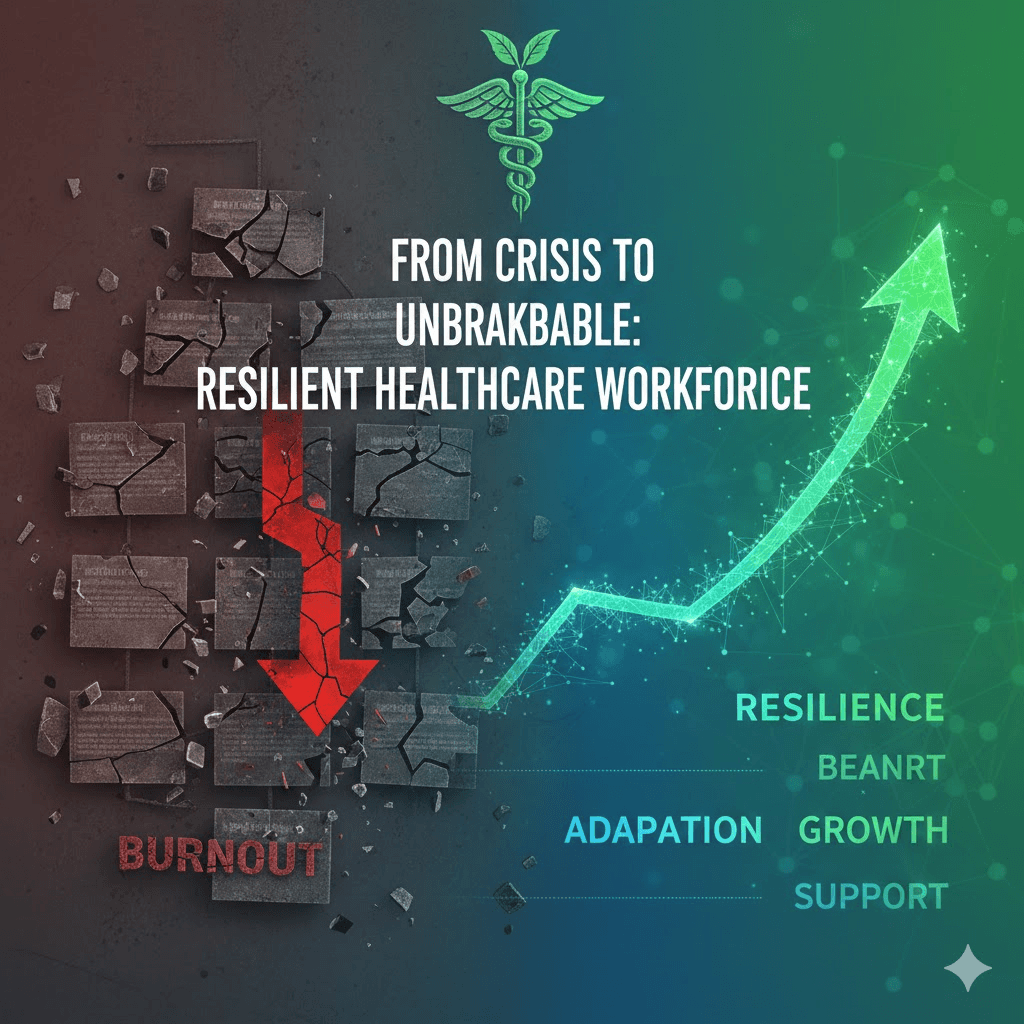
Track progress with KPIs: resilience score (uptime during peaks), cost-per-hire (under $500), and Net Promoter Score for staff (70+). Resilient workforces weather storms—hospitals using hybrid models saw 18% less disruption in 2025's outbreaks.
Building this isn't a one-off; it's iterative. Start small: pilot gig staffing for one unit, measure, and expand.
Ready to fortify your healthcare workforce? Gigin Health streamlines verification, compliance, and onboarding for scalable, fraud-proof talent. Visit Gigin Health today to build resilience that lasts.